
Reviews
Glow Route stands out for making light and audio the primary sources of information rather than decoration. The game asks players to assess illuminated areas, listen for subtle cues, and plan routes instead of reacting quickly. Its browser-based, no-install setup and simple controls lower the barrier to entry, while the tense atmosphere and pattern-learning progression give it depth for players who enjoy deliberate puzzles. The main limitation is that it may feel too slow for those seeking action.
About this game
Light as a Navigational Tool
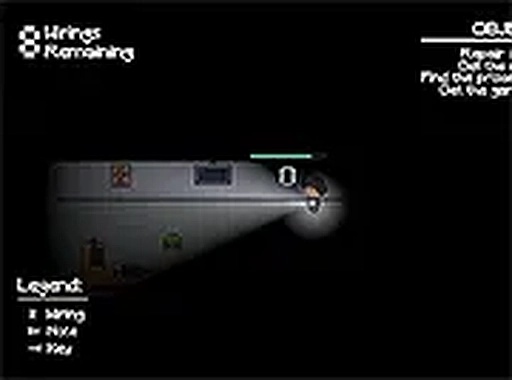
Glow Route builds its puzzles around a simple but demanding idea: light shows the way, while darkness introduces risk. Well-lit areas feel secure, and darker passages force players to pause and assess which direction offers the safest route. The game rewards thoughtful movement over impulsive action, so each step becomes a small decision rather than a reflex. Because the environment communicates safety through illumination, players learn to read the scene before committing to a path.
How Audio Shapes Decisions
Subtle audio cues carry information that the visuals alone do not provide. A shift in sound can signal a blocked route or a change in the environment, making listening a practical skill rather than background atmosphere. Players who pay attention to these signals can plan safe passage more effectively, while those who ignore them may walk into avoidable setbacks. The audio layer adds depth without overwhelming the player, keeping the focus on observation and timing.
Browser Accessibility and Controls
Glow Route runs directly in a web browser on desktop computers, with no installation or download required. Full-screen mode helps players concentrate on the visual and auditory details that drive the puzzles. Simple keyboard and mouse controls mean the game is easy to start, and the challenge comes from reading the environment rather than mastering complicated inputs.
Observation, Planning, and Progression
Success depends on studying light placement and audio signals, then planning movements carefully. Rushing into dark areas can lead to setbacks, so repeated attempts build familiarity with each area's layout. Over time, players recognize patterns in how light and sound work together, turning earlier failures into useful knowledge. The tense atmosphere comes from dim surroundings and occasional cues rather than explicit threats, which suits players who enjoy deliberate, atmospheric puzzles.
Compatibility
FAQ
Comments
Sign in to leave a review
No comments yet.







Editorial Notes