
Reviews
QuickStep Avoidance Challenge succeeds by doing one thing well: testing reaction speed in a clear, colorful environment. The controls are responsive, the difficulty curve feels natural, and the visual style avoids unnecessary distractions. It is perfect for short gaming sessions where you want a quick mental workout. The high-score system provides a clear goal, and the lack of complex mechanics means anyone can pick it up instantly. While it does not offer deep progression or variety, its straightforward design is exactly what makes it addictive.
About this game
Core Gameplay Loop
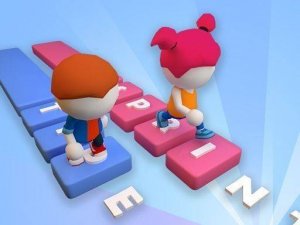
At its heart, QuickStep Avoidance Challenge is about staying one step ahead. Players guide a small character across a colorful playing field while obstacles of varying shapes and speeds appear from all directions. The only goal is to avoid contact. Each successful dodge adds to the score, and the run continues until a collision ends it. This straightforward premise makes the game instantly accessible, but the increasing pace ensures that even experienced players find themselves on edge.
Visual Design and Atmosphere
The game presents a cheerful, clean visual style with bright backgrounds and clearly defined obstacles. This simplicity serves a practical purpose: it allows players to focus entirely on movement and timing without visual clutter. The color palette changes as the score increases, providing subtle visual feedback that the challenge is intensifying. The overall aesthetic is welcoming, making it suitable for players of all ages who appreciate a polished, distraction-free interface.
Progression and Difficulty Curve
QuickStep Avoidance Challenge does not rely on predefined levels. Instead, difficulty scales organically with performance. Early moments feel relaxed, giving newcomers time to understand the controls and obstacle behavior. As the score climbs, obstacles appear more frequently and travel at higher speeds. Some may follow predictable patterns, while others introduce slight randomness, requiring players to adapt quickly. This gradual escalation keeps the experience engaging without becoming frustrating too soon.
Skill Development and Replay Value
Regular play naturally improves hand-eye coordination and decision-making speed. The game encourages repeated attempts by tracking personal high scores, motivating players to beat their own records. Because each session is unique due to the dynamic obstacle generation, no two runs feel identical. This design supports both short bursts of play during a break and longer sessions for those aiming to master their reactions. The lack of complex menus or tutorials means players spend more time actually playing.





Comments
Sign in to leave a review
No account? Create one
No comments yet.