
Reviews
Chrono Copy Conundrum stands out for its record-and-replay mechanic, which turns every level into a coordination problem between your past and present selves. The gradual difficulty curve makes it approachable for newcomers while offering enough complexity for veteran puzzle fans. Simple controls and a no-penalty retry system keep the focus on logic rather than reflexes. The main limitation is that the input does not describe audio, story, or multiplayer features, so those expecting a narrative-driven experience may want to look elsewhere.
About this game
Recording and Replaying Your Moves
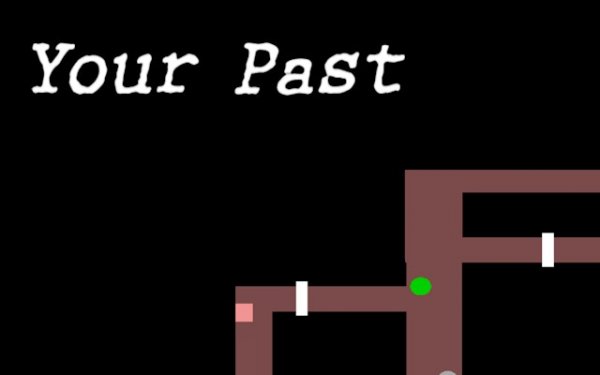
The central mechanic in Chrono Copy Conundrum is a record-and-reset loop. You perform a sequence of movements and interactions, then return to your starting position. That recorded sequence plays back as a clone that mirrors your earlier steps. The clone can press buttons, push blocks, or hold down pressure plates while you control your present character. Progress depends on coordinating these two timelines, so the game rewards planning over quick reactions.
Reading the Arena Before You Act
Each level is a compact arena containing an exit, switches, movable boxes, and pressure plates. The layout is designed to be scouted before you record anything. Understanding how objects relate to one another in space is the foundation of a successful plan. As you advance, levels introduce new arrangements that demand more intricate coordination between clones and the environment.
Working Backward from the Exit
A practical approach is to start at the exit and reason in reverse. Ask what the final clone must do so your present self can reach the goal, then work out what earlier clones need to set up that final action. This backward reasoning breaks complex puzzles into manageable steps. Experimentation is encouraged, and trying different sequences often reveals solutions you did not anticipate. Each attempt gives you feedback to refine your strategy.
Difficulty That Builds Gradually
Chrono Copy Conundrum introduces its concepts gradually. Early levels focus on single clones and simple interactions. Later stages require multiple clones, each with a distinct role that must be timed precisely. The difficulty curve feels natural because each new puzzle builds on skills learned in previous ones. This structure keeps the experience engaging for both beginners and experienced puzzle enthusiasts.
Simple Controls, Broad Appeal
Controls are straightforward, with simple commands for moving, jumping, and interacting with objects. This makes the game easy to pick up for players of all ages. Puzzles are challenging but never frustrating, since there is no time pressure or penalty for retrying. The clean visual style and clear feedback help maintain focus on the logic. Families can enjoy solving these puzzles together, discussing strategies and celebrating breakthroughs.
Compatibility
FAQ
Comments
Sign in to leave a review
No comments yet.




Editorial Notes