Reviews
Logic Puzzle: Voltage Challenge is a well-designed puzzle game that tests your deduction skills with a simple color feedback system. The limited number of tests per round adds a nice layer of strategy. The clean interface and quick play sessions make it ideal for short breaks. It is suitable for all ages and helps improve problem-solving abilities. A great choice for puzzle enthusiasts.
About this game
Game Introduction
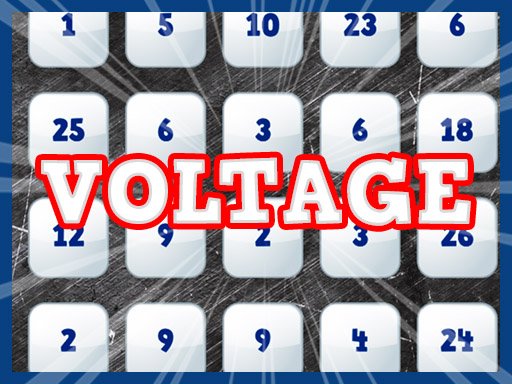
Logic Puzzle: Voltage Challenge is a puzzle game that asks players to find the correct voltage level using color-based feedback. Each round presents a new puzzle where players test different voltage options. After each test, a color clue appears: red means the voltage is too high, orange means too low, and green signals the correct match. Players have only ten tests per round, so each guess must be thoughtful. The game is easy to learn but requires careful planning and logical thinking. It is designed for quick play sessions, making it a good choice for short breaks. Playing this game can help improve problem-solving skills. The simple feedback system turns each guess into a meaningful step toward the solution. The game offers a clean, focused experience that challenges deduction abilities. It is suitable for all ages and provides a distraction-free interface.
How to Play
Players select a voltage level to test. After each test, a color feedback appears: red means the chosen voltage is too high, orange means too low, and green means the correct voltage has been found. Using these clues, players adjust their next guess. Each test consumes one unit of power. When the power runs out, the round ends. The goal is to find the correct voltage as quickly as possible to maximize the score. The game offers a clean, focused experience that challenges deduction abilities.
Game Features
The game features a color-based feedback system that is easy to understand, with red, orange, and green indicators guiding each guess. Controls are simple, allowing for quick and intuitive play. Each round presents a new logic puzzle to solve, ensuring fresh challenges. The game is suitable for all ages and provides a clean, distraction-free interface. Limited tests per round add a layer of strategy, as every decision counts. The game is designed for short play sessions, making it perfect for breaks.
Tips for Success
To succeed, start with a middle-range voltage to quickly narrow down possibilities. Use each test's color feedback to eliminate incorrect ranges systematically. Keep track of previous guesses to avoid repeating them. Plan your tests wisely, as you have only ten per round. Practice regularly to improve your deduction speed and accuracy. Stay patient and methodical, as rushing may waste precious tests. Over time, you will develop a feel for the optimal testing strategy.








Comments
Sign in to leave a review
No account? Create one
No comments yet.