About This Game
Game Introduction
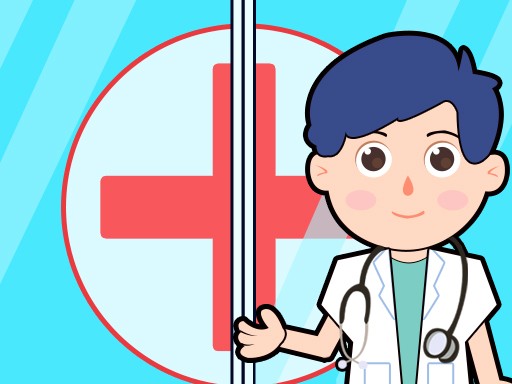
Doll Hospital Care Adventure is a simulation game where players create and manage a hospital in a bright, avatar-based world. You take on the role of a caring doctor who welcomes doll patients, observes their needs, and provides gentle treatment. The game focuses on teaching basic care skills such as giving medicine or bandaging small cuts, all within a safe and supportive environment. Designed for children and families, it emphasizes kindness, responsibility, and creativity. Players can design waiting rooms, treatment areas, and cozy recovery spaces. Each patient brings a new story, and the goal is to make them smile again. With colorful graphics and simple controls, this game turns the dream of being a doctor into a positive, educational adventure.
How to Play
Players start by selecting hospital rooms and placing them in their avatar world. Then, they welcome doll patients and observe what each one needs. Using on-screen tools, players treat patients by applying bandages or giving comforting hugs. After treatment, they guide patients to a rest area for recovery. Players can also decorate the hospital with furniture and toys to make it warm and inviting. The game provides step-by-step instructions, so young players can follow along easily. Simply tap or click to interact with patients and objects. As players progress, new challenges appear, but the atmosphere remains cheerful and supportive. Learning happens by doing, and each successful treatment brings a sense of accomplishment.
Game Features
Adorable doll characters with expressive animations. Simple tap and click controls suitable for all ages. Creative hospital building and decoration options. A safe, family-friendly environment with no violent or scary content. Step-by-step guidance that teaches basic care and empathy. Multiple levels with increasing variety of patient needs. Colorful, engaging visuals that stimulate imagination.
Tips for Success
Take time to observe each patient's needs before acting. Decorate the hospital to make it welcoming, as a cheerful environment may help patients recover faster. Follow step-by-step instructions carefully to learn new treatments. Practice regularly to become more efficient at diagnosing and treating. Experiment with different room layouts to find what works best. Remember that kindness and patience are key—each successful treatment builds confidence and skills.